
Introduction
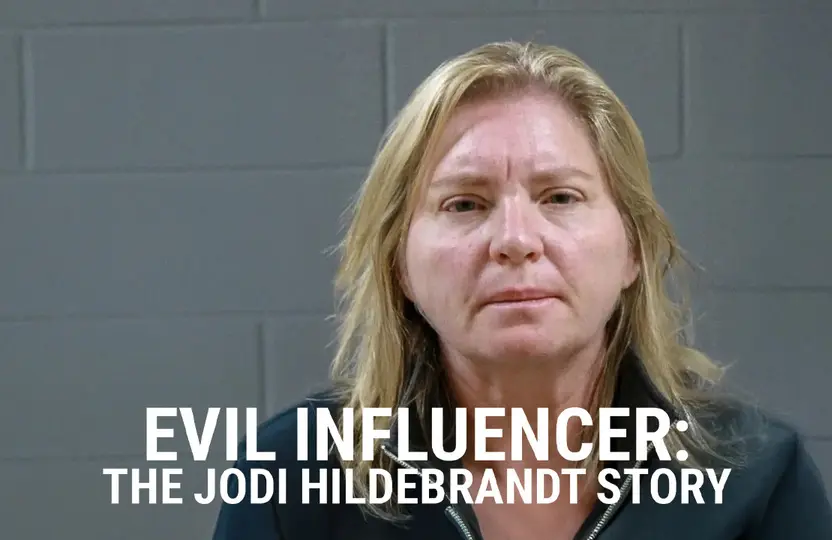
Netflix’s Evil Influencer: The Jodi Hildebrandt Story pushes the boundaries of the true-crime genre into deeply uncomfortable territory. Directed by Skye Borgman, a filmmaker known for exploring some of America’s most disturbing real-life cases, this documentary examines how influence, religion, and unchecked authority can combine with horrifying results. While the film is meticulously crafted, it leaves viewers questioning whether stories this grim should continue to dominate streaming platforms in 2026.
Evil Influencer: The Jodi Hildebrandt Story

Overview of the Case
The documentary centers on Jodi Hildebrandt, a Utah-based life coach who presented herself as a moral guide and therapist, and Ruby Franke, a former family influencer with a large online following. The case came to public attention when a 12-year-old boy escaped Hildebrandt’s home, severely malnourished and visibly injured, seeking help from a neighbor.
Police soon discovered his younger sister inside the same home, similarly starved, terrified, and hidden away. Evidence found at the scene supported claims of prolonged abuse, revealing a pattern of punishment that crossed into outright torture.
Evil Influencer: The Jodi Hildebrandt Story
The Role of Faith, Control, and Influence
One of the documentary’s most unsettling aspects is how Hildebrandt leveraged religion to establish trust and authority. As a counselor associated with the Church of Jesus Christ of Latter-day Saints, she was viewed as a safe and approved figure. Former clients describe how her methods revolved around shame, emotional isolation, and control, often encouraging the breakdown of families rather than their healing.
Ruby Franke gradually fell under Hildebrandt’s influence, abandoning her own judgment in favor of a belief system that framed cruelty as spiritual discipline. The film suggests their partnership—professional and possibly personal—was driven by the conviction that their actions were divinely sanctioned.
Evil Influencer: The Jodi Hildebrandt Story

Direction and Storytelling Style
Skye Borgman’s direction is controlled and deliberate, avoiding dramatization or sensational visuals. Instead, Evil Influencer relies on firsthand accounts from law enforcement, legal experts, and former clients. Detective Jessica Bate recounts the investigation with clarity and restraint, while county attorney Eric Clarke explains how the legal case unfolded.
This calm storytelling approach makes the abuse feel more real rather than exploitative, though the emotional weight remains relentless.
Evil Influencer: The Jodi Hildebrandt Story
Themes and Ethical Questions
Beyond recounting the crime, the documentary raises larger questions about religious extremism, blind obedience, and the dark side of influencer culture. Clarke, himself a member of the LDS church, briefly reflects on how strict religious conditioning can sometimes make individuals more vulnerable to manipulation.
However, the film stops short of fully unpacking these themes. As a result, Evil Influencer struggles to rise above the ethical criticism often aimed at true-crime documentaries—namely, whether retelling such trauma serves education or merely feeds voyeurism.
Evil Influencer: The Jodi Hildebrandt Story

Final Verdict
Evil Influencer: The Jodi Hildebrandt Story is a powerful yet deeply unsettling Netflix true-crime documentary. It is responsibly made, well-researched, and emotionally impactful, but its bleak subject matter makes it hard to recommend casually. While it exposes how abuse can hide behind faith and influence, it also reinforces the growing fatigue surrounding stories this disturbing.
As audiences move into 2026, this documentary feels less like entertainment and more like a warning—both about the dangers of unchecked authority and about the true-crime genre itself.
CLICK HERE for more interesting reviews.
Evil Influencer: The Jodi Hildebrandt Story